Table Of Content

Also, lowlights aren’t achieved by a lifting agent like bleach. Your hairstylist can create highlights with aluminum foil strips so that you get more dramatic lightening in your hair because the stylist saturated specific strands. Like balayage, we’ve highlighted the best and worst of this hair coloring technique if you are still unsure about highlights.
How to Choose a Good Balayage Master
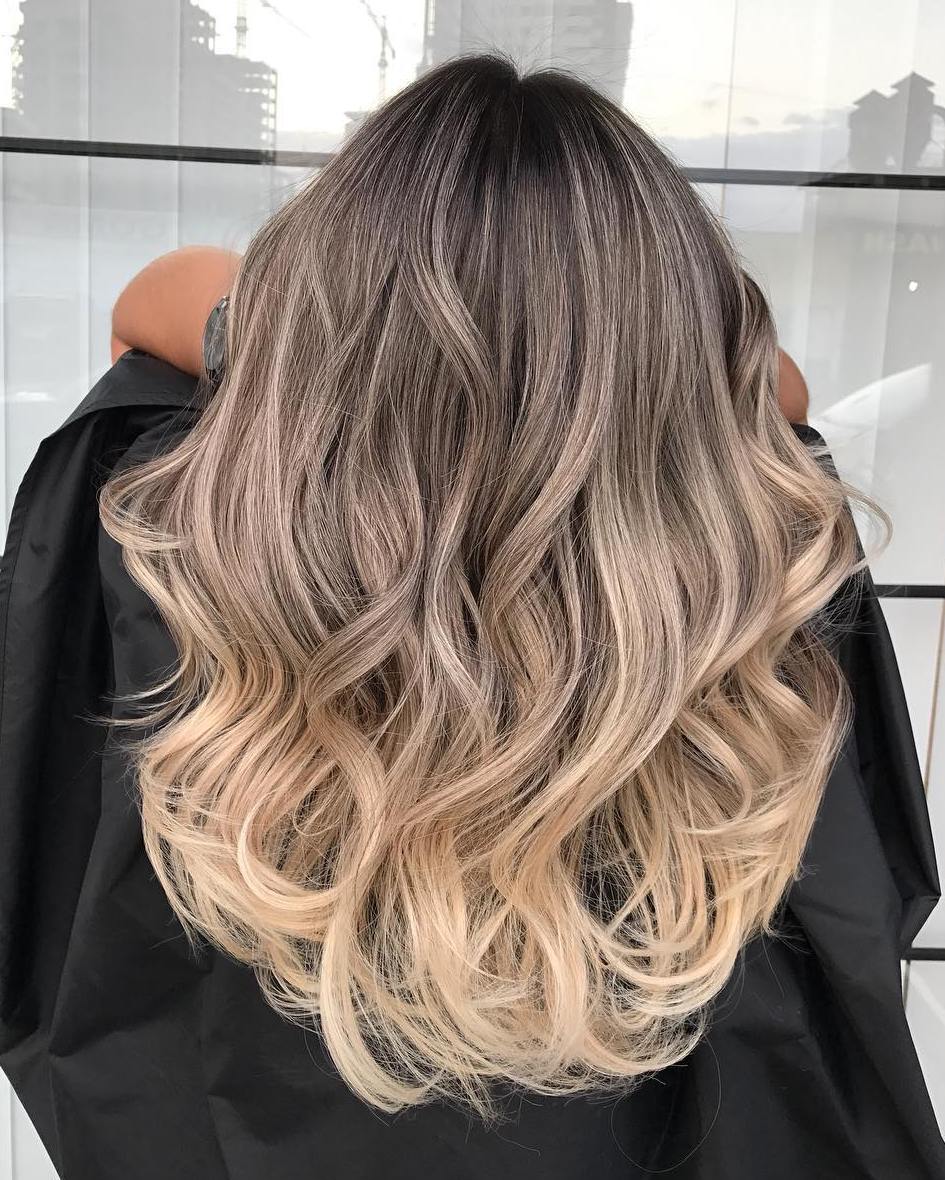
Show off those fab beach waves with sweet honey accents and a caramel balayage that add body and dimension to your brown hair. Shades like this look stunning on any hairstyle, whether wavy or straight. A dark and rich chocolate balayage for women over 50 is a smart choice when you want more dimensions for your black hair.
Product Type
To keep your highlights looking fresh and vibrant, reach for a shampoo and conditioner that is formulated for color-treated hair. With gorgeous highlighted hair comes the necessary task of properly caring for it. The right routine and products can benefit your hair color so it’s important to pick the right ones. The stylist places highlights over the entire hair, which dramatically lightens your overall hair.
The Cost
Nothing turns heads quite like a full head of flaming red locks, whether dyed or natural. Balayage looks more natural, is easier to maintain, and is gentler on your strands. While avoiding heat completely is best, there are small changes you can take to minimize its effects on your color. Keep heat tools on a lower temperature setting, and use a heat-protecting serum before you use heat on your strands.
Cut Down on Heat
If you like highlights but you wanted to try a more subtle look, go for babylights. You should also know about the differences between partial and full highlights. There is much confusion surrounding highlights and the balayage technique.
Create Account
From the benefits and drawbacks to the proper aftercare and some of our favorite balayage looks, keep scrolling for their insights and suggestions. Found in the French lexicon, meaning “to sweep,” balayage is a popular hair technique that gives stunning results when done correctly. It’s best practice to use your hot tools on the lowest temperature setting and only pass through each section of hair once to avoid damage. Balayage takes a long time since it doesn’t use heat, but it only requires a little maintenance. If you must color your hair, then make sure you switch to color-safe products.
The Difference Between Babylights and Balayage, Explained - Allure
The Difference Between Babylights and Balayage, Explained.
Posted: Tue, 19 Apr 2022 07:00:00 GMT [source]
What’s the Difference Between Foils, Balayage and Foilayage?

Before diving into the differences between balayage and highlights, it's important to understand the basics of hair coloring techniques. Hair color is the process of changing the natural color of your hair using various methods and products. A hair coloring technique refers to the specific process or method used to apply color to the hair. The natural hair color refers to the color of your hair without any artificial dye or treatment.
The Finished Results
If you want a blend of light and dark colors, ask for a dimensional balayage. The contrast between the highlight and lowlight makes your color look richer. Ask for your balayage to be higher around the hairline if you can. Though the maintenance of such a brunette balayage can be low, you should come in every 6-8 weeks for toning and trimming. In general “highlights” are any strands of hair that are lighter than the base color, no matter how they are done.
Although you can always top up with the best root touch up products in between appointments. The beauty of both balayage and highlights is their versatility. The end result of balayage is a subtle gradient that requires less maintenance than classic highlights. Because traditional highlights begin at the roots and go down to the ends, any regrowth is obvious.
It's also more low-maintenance usually, and can ring in a little less costly too. The three most popular types of highlight techniques include balayage, ombre, and foil highlights. "Balayage gives a multidimensional highlight, which can appear more natural because it creates different levels of lightness," Satorn explains.
This allows for precise placement of the highlights and ensures that the color does not spread to the surrounding hair. Traditional foiling highlights, also known as "traditional foiling," can be customized to achieve different looks, from subtle face-framing highlights to a full head of highlights. Now that you know the difference between foil highlights, balayage, and foilayage, you may be wondering which one is best for you.
As we age, our skin becomes more sallow, so adding warmth back by adding brightening tones like Amber and auburn sit well against your complexion. The balance of two dimensions of color also gives more depth back to the hair giving a fuller feel. Long choppy layers and brownish balayage create the supermodel chic look. If a soft highlight look on brunette hair is what you’re looking for, this natural balayage is a great option. Balayage mimics how the sun would lighten the hair, looking very natural.
It was created by hairstylist Crystal Jasmine of Chicago, IL. “I freehand-painted pieces of the hair that I wanted to pop when the light hits it but still have that natural sun-kissed effect,” explains Jasmine. Second, foil highlights give your stylist the most control over the resulting tone of your hair. Because the foils help hair process evenly and quickly, any red undertones that peek out during the lightening process can easily be processed out. First, if you have dark hair and want to lighten it up, foil highlights can reliably lift your dark color to the right level for toning. But with balayage on darker hair, you have to use a higher volume developer to get the same kind of result because there’s no foil to help processing along.
One important difference between balayage and highlights is that lowlights, which are darker colors painted through the hair, are never produced in a lightening process. Lowlights go darker than the base and are not created by a lift, unlike highlights which are created through a lightening process. Balayage is a hair coloring technique that has gained popularity for its ability to create a natural, sun-kissed look.
Typically, balayage begins midway down the strands and avoids the root area. When the balayage technique is used, lightener is applied very minimally to small strands just beyond the roots, then gradually increased down the length of the hair for a well-blended look. Wondering about the difference between balayage vs highlights? It’s important to know about these two popular hair lightening techniques so you end up with the look you want. "A good balayage is all about placement and blending. Having contrast between the light and dark tones is what creates natural looking, lived-in dimension," says Blais. "A good balayage blends seamlessly from dark hues to the lightest, leaving the color looking soft with no harsh lines."

No comments:
Post a Comment